

Blog
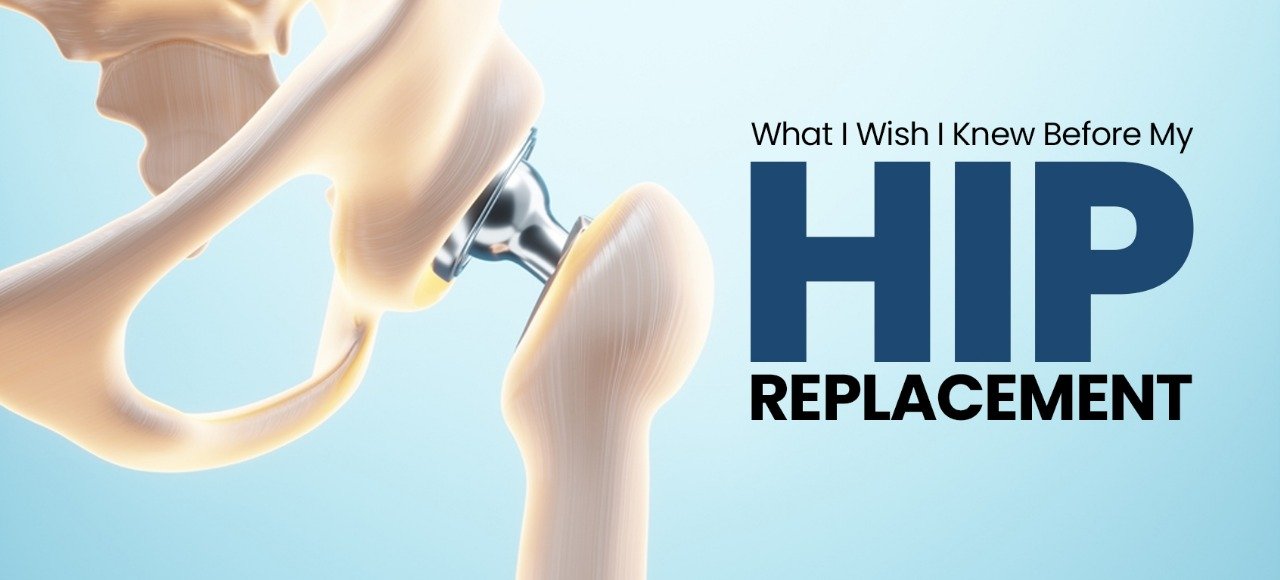
What I Wish I Knew Before My Hip Replacement
If you’re preparing for surgery and searching for reliable information about recovery, risks, and expectations, you’re not alone. Many patients wonder the same things, especially when considering a major procedure like What I Wish I Knew Before My Hip Replacement. Understanding how the surgery works, what recovery looks like, and how to prepare both mentally and physically can make the entire journey significantly easier, safer, and smoother.
Hip replacement surgery has become highly advanced, predictable, and patient-friendly—especially when performed by an experienced specialist like Dr. Sourabh Kulkarni, a trusted orthopedic and joint replacement surgeon in Navi Mumbai.
Hip Pain Problems That Lead Patients to Consider Hip Replacement Surgery
Most patients start their journey when hip pain becomes more than just discomfort — it begins affecting daily life. People visit doctors when walking becomes difficult, sleep is disturbed, or pain persists despite medications, physiotherapy, and lifestyle modifications.
Some patients even experience radiating pain toward the groin, thigh, or lower back. Over time, activities like sitting, climbing stairs, exercising, or even turning in bed feel impossible without assistance.
At this point, many search options like Hip Replacement Surgery in Navi Mumbai physiotherapy, injections, or minimally invasive options and finally, when nothing works, hip replacement becomes a sensible step toward regaining mobility and pain-free movement.

What Are the Signs That You Need Hip Replacement Surgery?
Knowing when it’s time for surgery can be confusing. Here are the most common clues patients experience before deciding:
1. Hip Joint Pain When Walking
Walking becomes painful and tiring, and even short distances feel like a struggle. Sticking to painkillers daily or avoiding movement are common early signs.
2. Hip Pain at Night
Many patients report pain that worsens while lying down. Lack of restful sleep affects mood, energy, and recovery.
3. Hip Stiffness After Sitting
If getting up after sitting for a long time feels stiff and painful, it may indicate progressing joint damage.
4. Hip Pain While Driving
Long sitting positions cause pressure and inflammation, making travel uncomfortable.
These symptoms are strong indicators that conservative treatments are no longer working and it may be time to explore surgery with the Best Hip Replacement Surgeon in Navi Mumbai
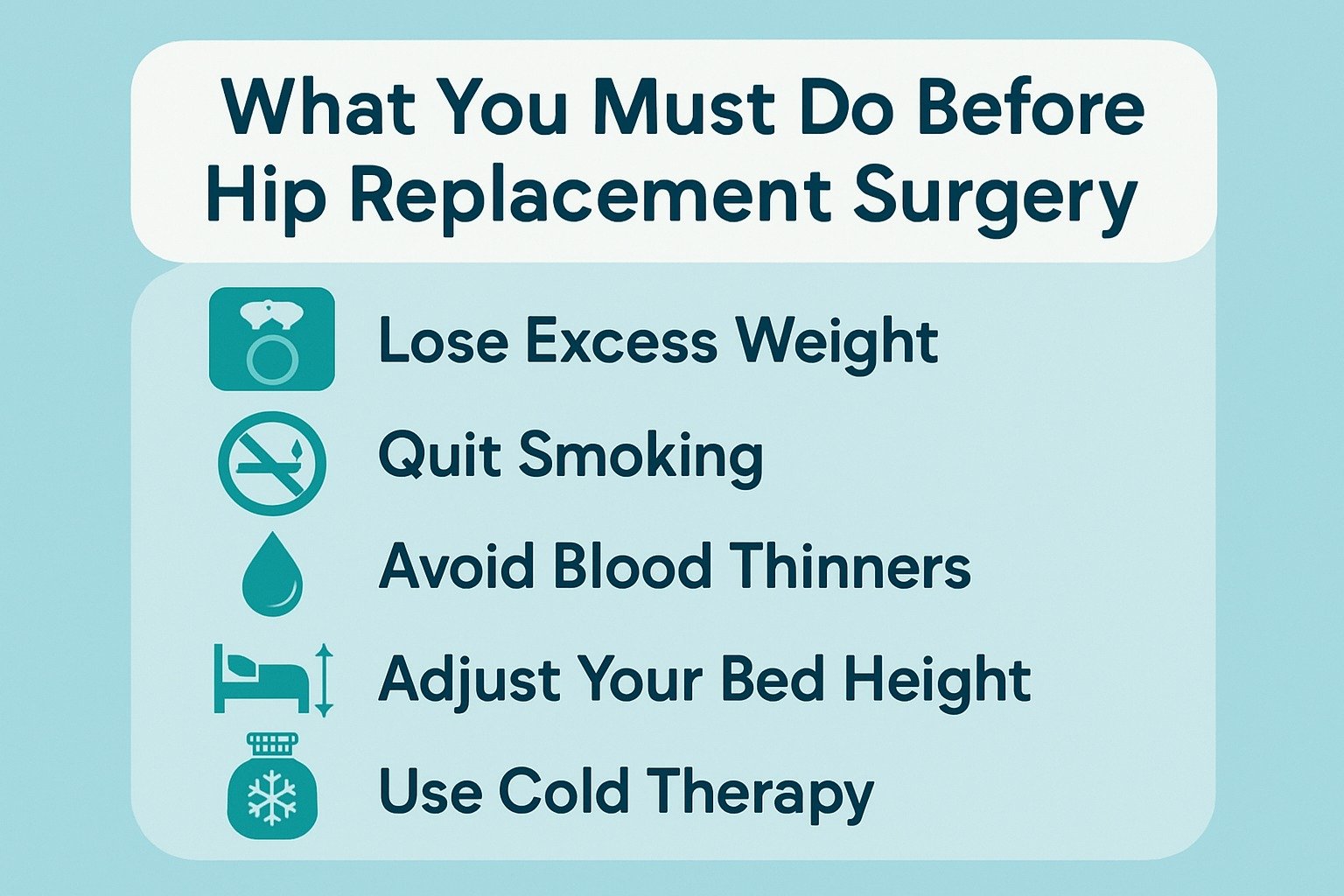
What You Must Do Before Hip Replacement Surgery
Preparing correctly improves recovery speed, reduces pain, lowers complications, and ensures a smoother transition back to daily life.
Here’s what every patient should know before surgery:
1. Lose Excess Weight
Even a small weight reduction helps reduce joint stress and improves the outcome of Hip Surgery in Navi Mumbai Losing just 5–10% of body weight can shorten recovery time and reduce discomfort during rehabilitation.
2. Quit Smoking
Smoking slows healing, lowers oxygen levels in blood, and increases infection risk. Doctors advise patients to quit smoking weeks before surgery to ensure a smooth recovery.
3. Avoid Blood Thinners
Medications like aspirin, certain painkillers, heart medications, and herbal supplements may interfere with anesthesia or increase bleeding risk. Always speak with your surgeon before stopping or modifying any medication.
4. First-Floor Sleeping Arrangement
Patients find climbing stairs difficult immediately after surgery. Preparing a temporary sleeping space on the ground floor helps avoid strain.
5. Adjust Your Bed Height
A hip replacement patient should avoid bending too low or sitting on high beds. Ideal bed height allows feet to touch the ground comfortably with hips at a natural angle.
If you are also researching knee care, here is a helpful resource you can explore:
Knee Replacement Surgeon in Navi Mumbai
6. Use Cold Therapy
Cold packs help reduce swelling and pain. Using ice before and after exercises or during the early stages of recovery provides comfort and soothing relief.
7. Install Grab Bars & Railings
Adding support in bathrooms, around staircases, and near beds makes movement much safer. These small changes prevent falls and speed up confidence-building.
Understanding Types of Hip Replacement
Many patients are unaware that there are different types of surgeries your surgeon chooses the one best suited to your age, bone condition, and lifestyle. For younger and more active patients, options like Bipolar Surgery in Navi Mumbai are considered based on suitability.
For severe damage, full joint replacement may be needed, also known as Total Hip Replacement Surgery in Navi Mumbai a reliable and long-term solution.
If you’re exploring robotic technology for joint surgeries, this resource may help:
Robotic Knee Replacement Surgeon in Navi Mumbai
Recovery: What Patients Wish They Knew Earlier
This is one of the most asked topics. Patients often assume recovery will be extremely difficult — but modern surgical advancements make it predictable and manageable.
Most patients are able to:
✔ Stand within 24–48 hours
✔ Walk using support within a few days
✔ Resume basic routine activities in 3–6 weeks
With guided physiotherapy and expert support from a skilled Hip Replacement Surgeon in Navi Mumbai recovery becomes faster and confidence builds sooner.
A hip replacement is not just a surgery it’s a life upgrade. The fear, hesitation, and pain you live with today can be replaced with confident walking, restful sleep, and an active lifestyle.
If you’re planning surgery, take time to prepare mentally, physically, and practically. Most importantly, choose an experienced orthopedic specialist like Dr. Sourabh Kulkarni, who provides safe surgical care, advanced technology, and long-term patient support.